Nothing is actually wrong with your car right now. No warning light, no noise, no smell. But you’d rather not be the driver who ignored a squeak for three months and ended up with a bill nobody wants to look at. That worry is normal, and it’s why “car maintenance tips” is one of the most searched phrases by South African drivers who just want to stay ahead of trouble. The good news: most of it comes down to a short list of checks, some you can do yourself, some that need a workshop. Here is that list.
The checks a driver can do
These are the things worth glancing at every month, and definitely before a long trip.
- Oil and fluid levels. Engine oil, coolant, brake fluid and washer fluid. Low oil is the fastest way to turn a cheap problem into an engine rebuild. If you’re not sure what “low” looks like on your dipstick, our oil change service page walks through it.
- Tyre condition and pressure. Tread depth, uneven wear, and a look for bulges or embedded stones. This one is information you should act on yourself or take to a tyre specialist. Fangio doesn’t fit or balance tyres at either branch, so we’ll tell you honestly rather than take the job.
- Battery signs. Slow cranking on start-up, dashboard lights dimming, or a battery older than four years. A weak battery rarely gives much warning before it fails completely.
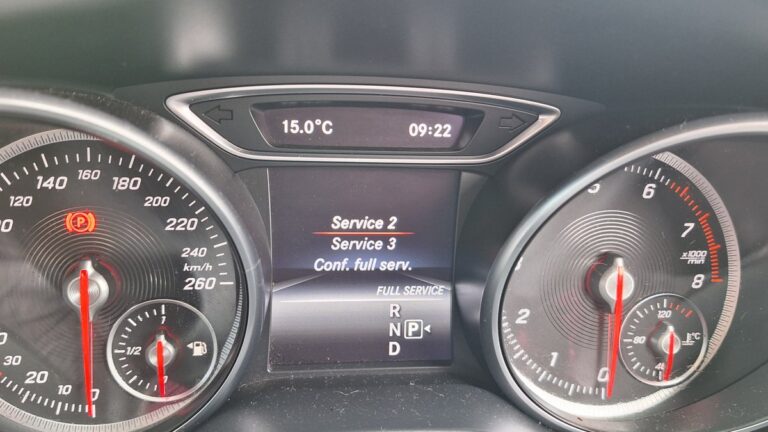
- Dashboard warning lights. Any light that wasn’t on yesterday is worth noting, even if the car still drives normally. Not every light means stop immediately, but none of them mean ignore it.
- Brake feel. A soft pedal, a grinding sound, or the car pulling to one side under braking. Brakes are one system where “it’s probably fine” is the wrong instinct.
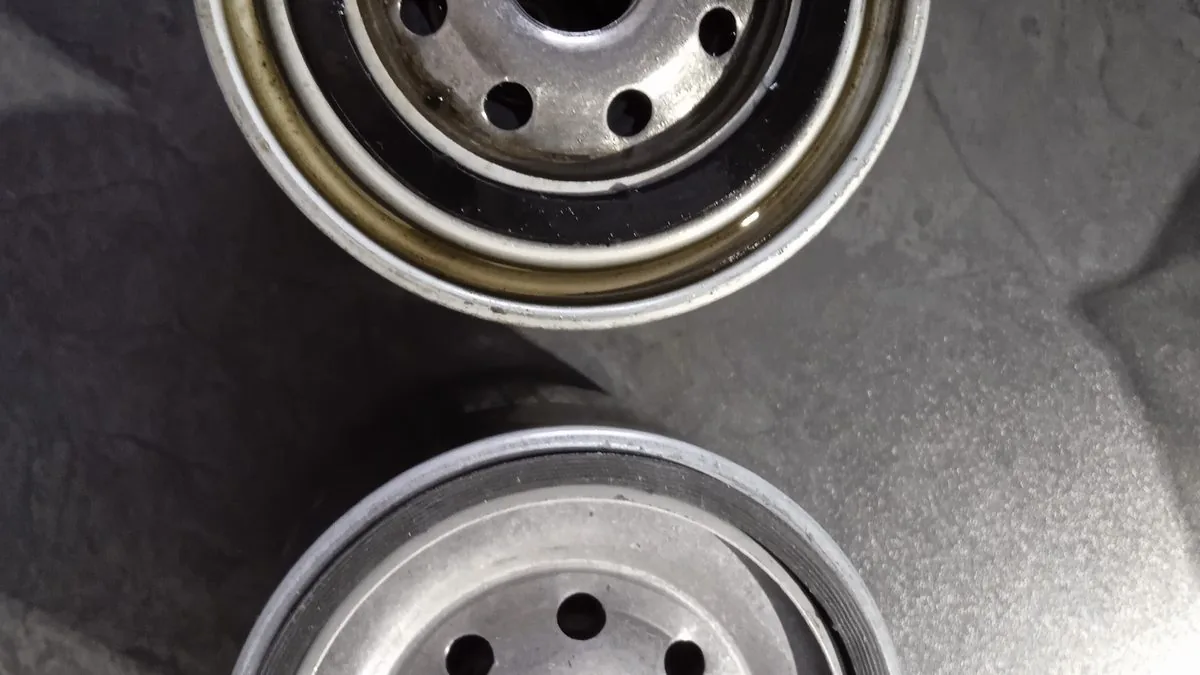
- Filters. Engine air filter and cabin filter, both cheap to replace and both quietly costing you fuel or aircon performance when they’re clogged.
- General cleanliness underneath and around the engine bay. Fresh oil or coolant patches under the car, or a dusty, oily engine bay, are early signs of a leak worth mentioning at your next service.
That’s the core of any car maintenance checklist. None of it takes more than fifteen minutes once you know what you’re looking at.
Why these things get missed
Most of this isn’t ignorance, it’s timing. A car with 40,000 km on the clock still drives exactly like it did at 35,000 km, so there’s no obvious moment to check anything. Drivers wait for a light to come on, or a noise to start, instead of checking on a schedule. And a few of these checks (oil level on a warm engine, brake pedal feel, a battery under load) are easy to misjudge without some experience, which is exactly why “how often should I check my car” and “DIY car checks” are such common searches. The honest answer is: monthly for the visual and level checks, and at every service interval for anything mechanical.
What happens if you leave it
The cost of catching these early is almost always smaller than the cost of catching them late.
- Low oil left unnoticed can score an engine’s internals, a repair bill many times the cost of an oil top-up.
- A tyre or brake fault ignored is a safety risk first and a cost risk second. Worn brake pads that are left too long score the discs, turning a pad replacement into a pad-and-disc replacement.
- A battery that fails completely, rather than being caught while it’s just weak, tends to fail at the worst possible time, usually a cold morning or after the car has sat for a few days.
- A blocked air filter doesn’t stop the car, it just quietly increases fuel use every single trip until it’s replaced.
- A small coolant or oil leak left unaddressed becomes an overheated engine, and an overheated engine is one of the more expensive repairs a workshop sees.
None of this needs a scare story. It’s simple: small problems cost less than the same problem left to grow.
What to do now
- Self-check first. Oil level, coolant level, tyre tread and pressure, and a look under the car for fresh drips. Any driver can do this in fifteen minutes with the owner’s manual open.
- Note anything odd, don’t just drive past it. A new noise, a new light, a pedal that feels different. Write it down or take a video of the sound. It helps whoever looks at it.
- Know when to stop driving. A brake warning light, a temperature gauge climbing into the red, or a burning smell means pull over and get it looked at before you carry on, not after.
- Book what you can’t check yourself. Brake condition, battery health under load, filter condition, and anything a warning light points to. These need a proper look, not a guess.
Book a check before it becomes a repair
If anything on this list has been nagging at you, don’t wait for it to get worse. Book a check with Fangio Auto and get an honest answer on what needs doing now and what can wait.
What we do at Fangio
When you bring a car in for a maintenance check, our mechanics go through the same list above properly: fluid levels and condition, brake wear front and back, battery health under load, filter condition, and a visual check for leaks around the engine and underneath the car. Most checks are done the same day, and if something needs attention, you get a plain-language explanation and a quote before any work starts, not a bill after the fact.
Fangio Auto Randburg and Fangio Auto Hermanus both cover this full check, backed by 20+ years of mechanic experience and a 12-month / 10 000 km warranty on labour. The one difference is the battery: at Hermanus, which is RMI approved and has its own auto electrician, a weak battery can be tested and replaced on the spot. At Randburg, a battery is checked and replaced only as part of a booked service, sourced through Goldwagen or Midas, rather than as a stand-alone walk-in job. If you’re in Randburg and your battery is a concern, mention it when you book your service rather than expecting a same-day walk-in fit.
Also worth knowing: neither branch does wheel alignment or car washing and detailing. We’ll flag if your tyres look uneven or your engine bay needs a clean, but we’ll send you elsewhere for those specific jobs rather than pretend we do them.
Brake concerns get a proper look on our brake repair and service page, and if you want to know more about how often a full service is really needed, our car service kilometres guide covers the intervals. Randburg drivers looking for a brake check nearby can also see our brake fitment centre near me page.
Questions people ask
How often should I check my car myself?
Monthly for oil, coolant, tyre pressure and a visual look underneath. Before any long trip, do the same check again regardless of when you last did it.
What fluids should I check in my car?
Engine oil, coolant, brake fluid and windscreen washer fluid. Low brake fluid especially should never wait. Get it looked at.
What should I check before a long trip?
Tyre tread and pressure including the spare, oil and coolant levels, and a listen for any new noise on the drive to fill up with fuel before you leave.
Is there a set car maintenance schedule for South Africa?
Most manufacturers set service intervals by kilometres, typically every 10,000 to 15,000 km, alongside the checks above done monthly. Your logbook or car service kilometres guide will have the exact figure for your model.
Are cheap DIY checks actually worth doing, or should I just book a service?
Both. DIY checks catch obvious problems early and cost nothing. A booked service catches what you can’t see or test yourself, like brake wear inside the wheel or battery health under real load.
What are the signs my car needs a service, not just a check?
A dashboard warning light, a new noise that doesn’t go away, the car pulling to one side, or simply reaching your kilometre interval. Any one of these is worth booking rather than waiting.
Book your check today
A fifteen-minute check now is cheaper than a repair later. Contact Fangio Auto Randburg or Fangio Auto Hermanus to book a maintenance check, ask a question, or get a straight answer on something you’ve noticed.
Already have a quote?
Get an honest second opinion
Send it over and we’ll review it, explain it plainly, and beat it where we can.