Your car feels fine around town, then somewhere past 100 km/h it starts to shake or judder. It might come through the steering wheel, the seat, or the whole car. This is a common complaint, and it is not something to ignore. Whether it is safe to keep driving depends on what is causing it, and there are three usual suspects. Here is how to tell them apart and what to do next.
What you are noticing
Drivers describe this symptom in a few different ways, often depending on where the shake shows up first:
- A vibration that starts at a certain speed, usually somewhere between 80 and 120 km/h, and gets worse the faster you go
- Shaking felt through the steering wheel specifically, sometimes with the wheel feeling loose or having more play than usual
- A shudder through the seat or floor rather than the wheel
- A vibration that comes and goes, or that changes when you brake or take your foot off the accelerator
- No shaking at low speed, so the car feels completely normal in traffic or parking
Where you feel it, and when it starts, both matter. They are the clues that point to which of the three causes is behind it.
What is usually causing it
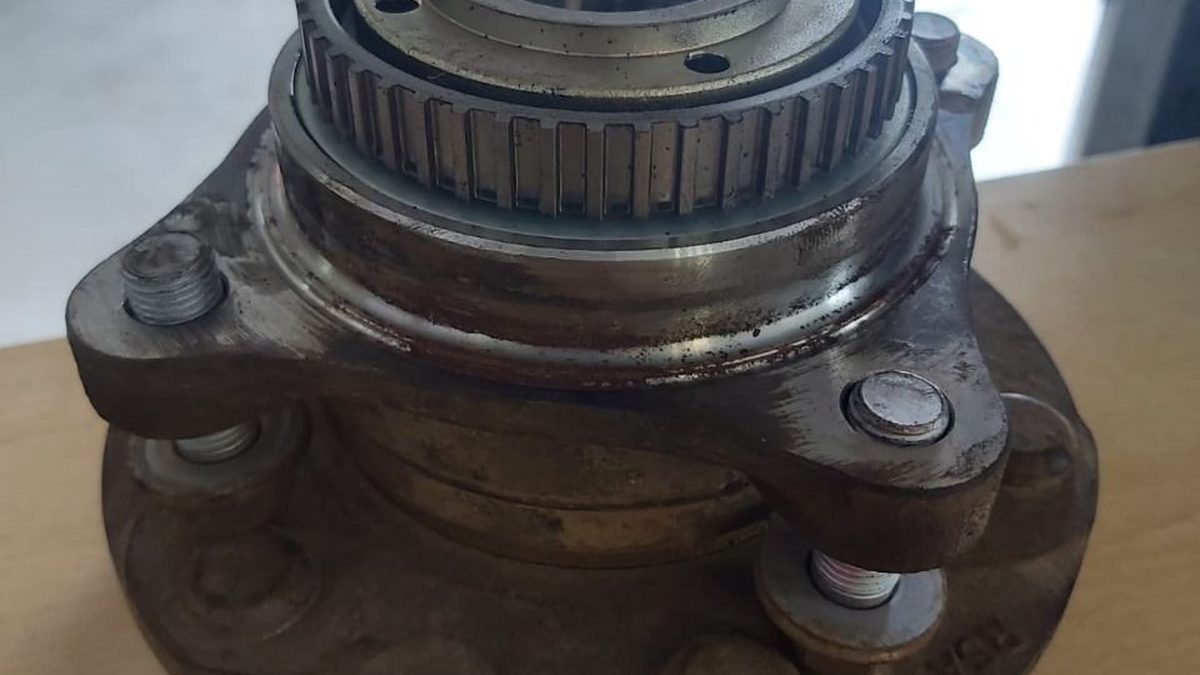
Wheel bearing. A worn wheel bearing lets the wheel move slightly on its axle instead of running true. It tends to get louder and rougher the faster you go, often with a humming or growling noise that changes when you turn the steering wheel one way. It can also make the car feel like it is pulling slightly to one side.
Tie rod or steering linkage play. The tie rods and linkages connect your steering wheel to the wheels themselves. When they wear out, there is play in that connection. This usually shows up as a shudder or vibration through the steering wheel, sometimes paired with the steering feeling looser or less precise than it used to, or the wheel wandering slightly on its own.
Wheel alignment or wheel balance. If the wheels are out of alignment, or a wheel is out of balance, the car can shake at a specific speed range without any fault in the bearing or steering components at all. This is common after hitting a pothole or kerb, or after new tyres are fitted without a balance.
Wheel bearing and tie rod problems are mechanical faults that get worse over time and need proper diagnosis and repair. Alignment and balance issues are a set-up problem, not a worn part, and need different equipment to fix.
What happens if you leave it
A worn wheel bearing does not fix itself. Left alone, it wears further, gets noisier, and can eventually seize or let the wheel work loose while driving. At highway speed, that is a serious loss of control, not just an annoying noise.
Worn tie rods or steering linkages behave the same way. The play gets worse, steering response gets less predictable, and in the worst case a tie rod end can fail completely. If that happens while driving, you lose the ability to steer that wheel properly, and it can turn or fold under the car.
Both faults are more dangerous the faster you are going, which is exactly when the shake shows up. A misaligned or unbalanced wheel will not fail like this, but it does wear your tyres unevenly and unnecessarily if it is left for months.
What to do now
- If the shaking is severe, sudden, or paired with a noise that has clearly got worse, do not push on to your destination at speed. Slow down and, if you can, get the car checked before driving on the highway again.
- If it is a milder shake that has been present for a while, it is still worth booking a check soon rather than waiting for it to get worse.
- Note when it happens: at what speed, whether it is through the wheel or the seat, and whether braking changes it. That detail helps whoever diagnoses it.
- Do not guess and pay for a wheel balance if the real problem is a bearing or a tie rod. A proper check tells you which one it is before you spend anything.
Not sure which one it is? Book a diagnostic check and get a straight answer before you decide what to fix. Find your nearest branch.
What we do at Fangio
Fangio Auto Service diagnoses and repairs worn wheel bearings and worn tie rods, rack ends and steering linkages at both the Randburg and Hermanus branches, as part of our suspension and steering repairs and control arm and ball joint work. A vibration or shudder through the steering wheel is one of the warning signs we check for as part of that inspection.
The check starts with a road test and a physical inspection: feeling for play in the wheel bearings, checking the tie rods and linkages for wear, and looking at tyre wear patterns for clues. If you are not sure whether the noise or vibration is a bearing issue, our car diagnostic service is built for exactly that: working out what is actually wrong before any parts are replaced. If a wheel bearing or tie rod is worn, we replace it and road test the car again to confirm the shake is gone.
We do not do wheel alignment or wheel balancing, and neither branch fits or sells tyres. If your check comes back with the mechanical parts fine and the cause is alignment or balance, we will tell you that plainly and you will need a tyre fitment centre for that specific job. We would rather send you to the right place than tell you it is fixed when it is not.
Questions people ask
Why does my car shake at high speed but not in town?
Wheel bearing wear, steering linkage play, and alignment or balance faults all get more obvious the faster the wheel turns. At low speed the same fault may be too small to feel.
Is it safe to drive if my car is shaking at high speed?
A mild, long-standing vibration is less urgent than a sudden or worsening shake, but neither should be left. A wheel bearing or tie rod that fails while driving can mean losing control of that wheel, so get it checked rather than waiting to see if it gets worse.
How do I know if it’s my tyres, my wheel bearing, or alignment?
You generally cannot tell for certain by feel alone. A shudder through the steering wheel points more toward tie rods or bearings, while a shake that appears only in a narrow speed band and nowhere else often points to balance or alignment. A proper inspection is the only way to be sure before you spend money.
Can a wheel bearing cause the steering wheel to shake?
Yes. A worn wheel bearing lets the wheel move slightly out of true, which is felt as vibration through the car and sometimes through the steering wheel, along with a humming or growling noise that gets louder with speed.
Does Fangio do wheel alignment?
No. Neither the Randburg nor the Hermanus branch offers wheel alignment or balancing, and neither fits tyres. We diagnose and repair the wheel bearing and steering-linkage causes of high-speed shaking, and will tell you directly if your car needs alignment instead, so you can go straight to a tyre fitment centre for that.
What does it cost to check a car that shakes at high speed?
The cost depends on what is actually worn and needs replacing, which is only known once the car has been inspected. Contact your nearest branch for a quote once the fault is identified.
Book a diagnostic check with Fangio Auto Service at our Randburg or Hermanus branch. Find your branch’s contact details, address and hours here.
Already have a quote?
Get an honest second opinion
Send it over and we’ll review it, explain it plainly, and beat it where we can.